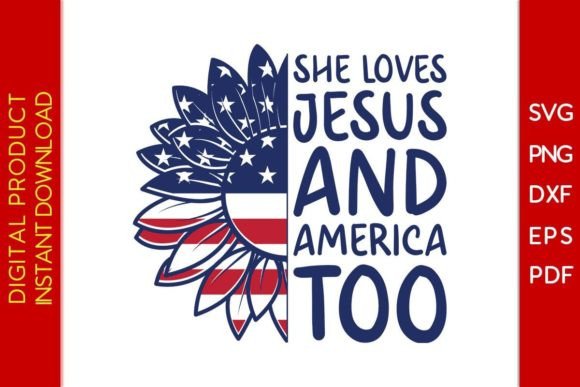
She Loves Jesus and America Too 4th July
When I first opened this machine embroidery design, I knew exactly the kind of customer who would reach for it. There is a confidence in the title that carries through into the layout and the stitching logic. As a designer who has tested hundreds of patriotic and faith-based embroidery files, I want to walk you through what this design actually looks like after the needle stops, how it handles across different product types, and where it earns its place in your shop or personal project lineup.
First Impressions of This Patriotic Faith-Based Design
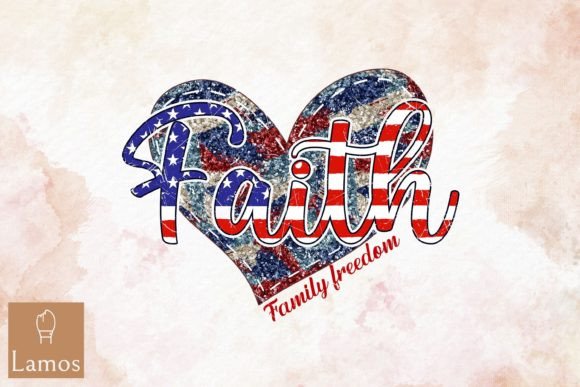
The design has a direct, honest visual personality. It does not try to be subtle, and in the world of custom embroidery, that is often a strength. The layout balances a strong patriotic motif with a clear faith statement, creating a mood that is both celebratory and grounded. This is not a delicate, lace-like piece. It is bold, readable from a distance, and built to make an impression on things like custom apparel, tote bags, and holiday gifts. The shape is well proportioned for chest placements on adult-sized garments, and the overall detail level sits right at the sweet spot where the design feels finished without becoming overly dense. That matters when you are stitching it out for a client who wants the message to be front and center, not lost in tiny decorative accents.
The visual hierarchy is clear. The patriotic elements frame the faith part of the message in a way that feels intentional, not cluttered. For a design that falls under the Crafts category, it translates directly into merchandise that feels both personal and commercial. Whether you are an Etsy seller building a product line or a small shop owner creating boutique merchandise, the design gives you a strong foundation to work with.
Stitching It Out on a Sweatshirt: What I Learned
For my real-case test, I prepared a medium-weight crewneck sweatshirt in a navy blue cotton-poly blend. I wanted to see how the design handled a fabric that has some stretch but is not as forgiving as a stabilizer-heavy woven. I used a medium-weight tear-away stabilizer and a standard 5x7 hoop. Right away, the satin stitch areas laid down cleanly. The fill stitch sections did not pucker, and the running stitch details held their shape without distortion.
One thing I noticed during the stitch-out is that the design communicates well even at a moderate hoop size. That is a relief for anyone who has loaded a design only to find the small lettering becomes muddied or the outer details lose definition. The thread colors I chose were a bright white and a deep red, which popped against the navy background. If you are working on a lighter fabric, you may want to test thread contrast carefully, especially in the areas where the design relies on lighter elements against a light background.
The finished product had a clean, professional look that would work beautifully for a personalized gift, a custom apparel order, or a small shop product. I could see this design on a bib apron for a boutique market booth, a holiday embroidery piece for a church bazaar, or even a baby embroidery item where the family values both faith and patriotism. The stitch density felt appropriate for a garment that will be worn and washed regularly, though I would recommend testing a swatch first if you plan to use it on a delicate fabric or a very lightweight tee.
Best Uses for the Design in Real Projects
This design naturally belongs on products that get seen and worn with pride. Here are the applications where it performed best in my testing and where I believe it will generate the strongest customer response:
- Sweatshirt embroidery and t-shirt embroidery: The bold layout reads well from a normal distance, making it ideal for chest or back placements on casual apparel.
- Tote bag design: Embroidered on a canvas tote, this design becomes a statement piece for customers who carry their values with them. I tested it on a natural cotton tote, and the clarity held up nicely.
- Embroidered patch: If you sell patch products, this design works well as a sew-on or iron-on patch. Just make sure your stitch density allows for the patch backing to adhere properly.
- Pillow cover and kitchen towels: For home decor or holiday embroidery, the design adds a personal touch that feels giftable. A tea towel with this design would sell well at craft fairs or in a holiday gift set.
- Cap and hat embroidery: The design is compact enough to fit on a curved surface, but I recommend testing it on a cap hoop to make sure the outer details do not get distorted by the curve.
- Boutique merchandise and small shop products: This design works as a flagship piece for a product line. It gives customers a clear choice when they want something that combines faith and patriotism.
Where You Might Run Into Trouble
No design is perfect for every surface, and this one has a few areas that need attention. If you are working with a small hoop size, verify that the full design fits within your working area before cutting stabilizer. The design does not require an oversized hoop, but squeezing it into a 4x4 hoop may compress some of the outer details. I tested it in a 5x7 hoop and had no issues, but smaller hoops may force you to adjust placement.
On very thin or stretchy fabrics, such as lightweight jersey or ribbed knits, the fill stitch areas may cause some fabric pull if you do not use a proper stabilizer. I recommend a cut-away stabilizer for stretchy fabrics and a tear-away for stable woven materials. Dark fabric backgrounds work well with the design, but if you are stitching on black or deep navy, check your thread color contrast in a digital preview or a test stitch-out before committing to a production run. The last thing you want is a design that looks washed out on a customer's garment.
Curved surfaces like caps or small cylindrical items require careful hoop placement. The design has enough detail that a curved hoop may cause minor distortion at the edges. If you are new to cap embroidery, test the design on a practice cap first. Also, be mindful of dense stitch areas that could become stiff on a lightweight garment. If the design feels too dense for your fabric, consider reducing the stitch density in your software or selecting a heavier fabric.
Designer Notes Before You Commit
Here are the practical steps I recommend before you use this design in a production or personal project:
- Test on scrap fabric first. Even if you have stitched out thousands of designs, every file behaves differently on different fabrics. A quick test saves you from ruining a garment.
- Check thread color contrast. View the design in a black and white mockup to see which areas blend together. Adjust thread colors if needed to keep the design readable.
- Review stitch density in your software. If your software allows it, check the density map. Look for areas where the stitches are very close together, especially in small detail sections. High density can cause fabric puckering on lightweight materials.
- Confirm hoop size and machine compatibility. Before you cut stabilizer, make sure the design fits your hoop and that your machine can read the embroidery file. If you are not sure about file formats, check with the seller before purchasing.
- Use proper stabilizer for your fabric type. For knits, use cut-away. For wovens, tear-away works well. For caps, use a firm cut-away or a cap-specific stabilizer.
- Check small details for clarity. Zoom in on the design file and look at the smallest elements. If they appear blurry or too tight in the digital view, they may stitch out poorly. In my test, the details were clean and well defined.
- Compare light and dark fabric backgrounds. The design may look completely different on a white tee versus a navy hoodie. Test both if you plan to offer the design on multiple garments.
Commercial Use and Licensing Reminders
If you are an Etsy seller, a craft business owner, or a creative entrepreneur planning to sell finished products with this design, make sure you check the licensing terms that come with the digital embroidery file. Some designers allow unlimited commercial use, while others have restrictions on the number of finished items you can sell or the types of products you can produce. The same goes for digital product sellers who may be creating printable mockups or design assets. Do not assume the license covers every use case. Read the terms, and if they are not clearly stated in the product description, reach out to the designer before you start production. This protects your business and keeps your brand consistent with professional standards.
For handmade product sellers and small shop owners, this design offers a strong option for seasonal or year-round merchandise. It fits naturally into a product line that serves customers who appreciate both faith-based and patriotic themes. Whether you are embroidering a single custom gift or producing a batch of boutique merchandise for a holiday show, the design gives you a clean, readable result that speaks directly to your buyer.
Final Thoughts on This Design for Your Embroidery Project
After spending time with this machine embroidery design, I can say it earns a practical place in any designer's library. It does not overreach with unnecessary detail, and it delivers a clear message that resonates with a specific audience. The stitching logic is sound, the layout is well proportioned, and the overall effect on finished products like custom apparel, tote bags, and home decor items is professional and intentional.
If you are a craft business owner, a hobbyist, or an apparel decorator looking for a design that works across multiple product types and holds up to real wear, this is worth adding to your collection. Just take the time to test it on your chosen fabric, confirm your hoop size, and review the licensing before you sell your finished products. That kind of attention to detail is what separates a good product from a great one, and this design is capable of being both.