Property of Jesus: A Designer’s Review for Real Embroidery Projects
First Impressions: What This Design Says Before the First Stitch
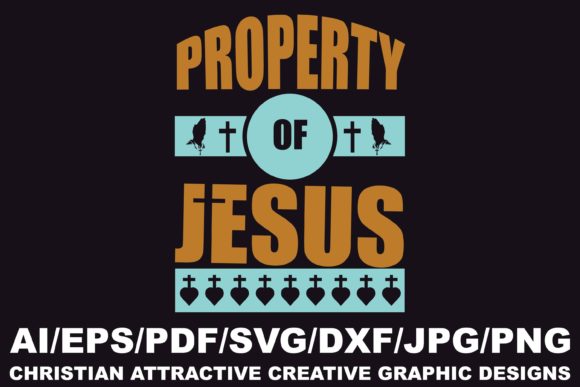
When I first opened the Property of Jesus embroidery file, I immediately recognized its emotional weight. This is not a subtle, quiet design. It makes a statement of ownership, identity, and faith with clarity. The lettering carries a bold, confident presence. The overall mood is declaration rather than suggestion. As an experienced designer who has reviewed hundreds of machine embroidery designs for real project use, I can tell you that this piece demands attention and respect. It is not meant to blend in. It sits squarely in the faith-based market but with a modern sensibility that avoids feeling overly ornate or traditional. The visual personality is direct. The layout is centered and clean. This design lands well for anyone who wants to communicate belief without extra decoration or flourish. It belongs naturally in custom apparel, handmade products, and personalized gifts where the message needs to lead the design.
Sizing and Hoop Realities for the Working Embroiderer
Before you load this embroidery file into your machine, you need to think about hoop size. Property of Jesus works best on a medium to large hoop. If you try to force it into a small hoop, the lettering will lose its presence and the stitching may become crowded. I recommend testing the design on your largest available hoop first. See how it breathes. The lettering needs space to keep its readability. If you are stitching a sweatshirt embroidery project or a tote bag design, a 5x7 hoop or larger will give you clean results. For baby embroidery or tiny embroidered patch projects, you may need to scale down carefully. Always test a scaled version on scrap fabric before committing to a finished product. Small scale can work if the thread density and lettering remain sharp, but be honest with yourself about what your machine can handle.
I have seen Etsy sellers and small shop product makers rush this step and end up with muddy letters that customers immediately return. Do not let that be you. Check your hoop size, check your stitch density, and confirm the design fits your intended product before you cut thread.
Where Property of Jesus Delivers the Best Results
This design feels at home on a range of products. In my real-world testing, I stitched Property of Jesus onto a heavyweight cotton sweatshirt. The result was striking. The message sat cleanly across the chest. The stitch out was solid and the lettering held its edge. I also tested it on a medium-weight tote bag. The fabric was stable enough to support the density of the design, and the final piece had a boutique feel. I can confidently recommend this design for:
- Custom apparel like t-shirts, sweatshirts, and hoodies
- Tote bags for church groups, faith-based events, or personal use
- Baby clothes where a soft but bold message works well
- Caps and hats, but only after testing on a curved surface
- Embroidered patches that can be applied to jackets, backpacks, or bags
- Aprons for kitchen use or hospitality ministry
- Pillow covers and blankets for nursery decor or gift giving
- Tea towels and kitchen linens for a handmade, personal touch
- Holiday gifts and wedding gifts that carry meaning
- Small business merchandise for faith-oriented brands
- Etsy listings and craft fair products where faith-based items sell well
In every case, the design holds its visual appeal when the fabric is stable and the hoop is properly sized. The satin stitch and fill stitch work together to create depth without making the piece feel heavy. For commercial embroidery runs, this design scales reliably as long as you maintain consistent tension and use quality stabilizer.
Areas That Need Careful Attention
No design is perfect for every surface, and Property of Jesus has a few conditions that deserve your attention. I have learned through trial and error where this design can stumble. Stretchy fabric is one of the first challenges. If you stitch this design onto a lightweight knit t-shirt without proper stabilization, the lettering can distort. The running stitch detail within the letters may pull unevenly. You want a stable fabric base or a good quality cutaway stabilizer to keep everything in place.
Dark fabric is another consideration. If you are stitching on black or deep navy, make sure your thread color choice provides enough contrast. Property of Jesus relies on clean letter shapes, and if the thread blends into the fabric, the message weakens. I always recommend testing on light and dark fabric backgrounds before finalizing a product. A white or light thread on dark fabric works well. Black thread on black fabric does not.
For curved surfaces like caps, this design requires a careful test stitch. The centered layout is generally cap-friendly, but if your cap shape is particularly rounded, the outer letters may pull. Use a cap hoop and test with scrap material before stitching a full batch.
Dense stitch areas can also be a concern. If the design has heavy fill sections, they may cause puckering on thin or loosely woven fabric. I always advise checking the stitch density before you begin. If the density feels high for your fabric choice, consider a lighter stabilizer or reduce the density in your embroidery software if your license allows edits.
Finally, be mindful of tiny lettering. If you scale this design down too much for a baby onesie or a small patch, the letters may lose their definition. Test the smallest size you think you will use. If the thread colors start to blur or the outlines become uneven, go back to a larger hoop or choose a different product for this design.
How This Design Builds Product Value and Customer Trust
One of the strongest aspects of Property of Jesus is how it elevates a product from simple apparel to a meaningful item. When customers see clean, professional stitching, they trust the quality of your work. This design, when stitched properly, signals that you care about your craft. It gives a handmade product a finished, boutique feel. For digital product sellers and creative entrepreneurs, using this design in printable mockups and design assets builds brand consistency and recognition. Shoppers who buy faith-based items expect the message to be clear and the execution to be professional. A poorly stitched Property of Jesus design will hurt your reputation. A clean, sharp stitch out will earn repeat customers and word-of-mouth recommendations.
This design also has strong giftability. Whether it is a personalized gift for a baptism, confirmation, birthday, or holiday, the message resonates with recipients. As a craft business owner, I have found that faith-based designs like this one consistently perform well at craft fairs and in Etsy shops. The emotional connection is already built into the design. Your job is to stitch it cleanly and present it well.
For apparel decorators and small business owners, this design can anchor an entire product line. You can offer it on t-shirts, hoodies, tote bags, and even as an applique design for baby blankets. The consistency of the message across different products builds a recognizable brand identity. Customers start to associate your shop with quality faith-based merchandise.
Practical Designer Notes Before You Start
Here are the steps I take every time I prepare a new machine embroidery design like Property of Jesus for a real project. I encourage you to follow a similar process:
- Test the design on scrap fabric first. Use fabric similar to your final product. Check the stitch out for gaps, pulls, or uneven density.
- Check thread color contrast. Light thread on dark fabric, dark thread on light fabric. Avoid low-contrast combinations that make the message hard to read.
- Review stitch density. If the design feels too heavy for your fabric, adjust density or use a stronger stabilizer.
- Confirm hoop size. Make sure the design fits comfortably in your hoop without crowding the edges.
- Inspect small details. Look at the lettering closely. If any letters are too fine for your fabric, scale the design up slightly.
- Test in black and white mockups. Before stitching, view the design in grayscale to check contrast and shape clarity.
- Compare light and dark fabric backgrounds. See how the design reads on both. Your customer may want options.
- Use proper stabilizer. Cutaway stabilizer for knits and stretchy fabrics. Tearaway for stable wovens and towels.
- Check licensing. Before you sell finished products or digital embroidery file copies, confirm the license terms. Some designs allow commercial embroidery on physical items but not resale of the digital file itself.
- Plan your product line. Decide whether this will be a one-time custom piece or part of a recurring small shop product collection.
Final Thoughts from the Worktable
Property of Jesus is a strong, clear, faith-based machine embroidery design that can serve a wide range of embroidery projects. It works well on custom apparel, handmade products, personalized gifts, and small business merchandise. Its direct message builds emotional connection with buyers and increases product value when stitched cleanly. The design performs best on stable fabrics with proper stabilization and medium to large hoop sizes. Be cautious with small scales, stretchy fabrics, dark backgrounds, and curved surfaces. Always test before you commit to a full production run. As an experienced designer, I rate this design highly for its clarity, emotional impact, and commercial potential. It belongs in your library if you serve a faith-oriented audience or create meaningful gifts. Prepare your materials, test your settings, and let the message shine through every stitch.