Little Brother: A Crafts Design Asset for Digital Sellers
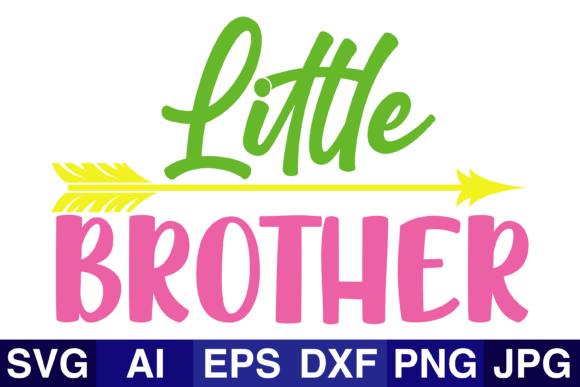
When I first opened Little Brother as a graphic design asset, I immediately sensed its niche appeal. This illustration carries a handmade, slightly nostalgic mood that feels both approachable and versatile. It is not trying to be loud or trendy. Instead, it sits quietly in the decorative and playful space, making it a strong candidate for crafters, small business branding, and printable products. As someone who has tested hundreds of digital products before listing them on Etsy, Creative Fabrica, and print-on-demand platforms, I look for assets that can flex across multiple use cases without losing their identity. Little Brother fits that description well.
The visual personality here leans toward the rustic and modern handmade aesthetic. It does not read as feminine or overly polished, which gives it a broader unisex appeal. For a seller preparing a new product collection, this opens doors to categories like nursery prints, kids merchandise, planner stickers, and even home decor. The asset feels like it was drawn with intention, which matters for building trust with buyers who expect original-looking designs.
Why Little Brother Works for a Real Shop Scenario
Let me walk through a realistic situation. Imagine you are getting ready to launch a seasonal digital download shop on Etsy. You have identified a gap in the market for playful yet simple illustrated products that appeal to parents, teachers, and small business owners. You open Little Brother and start testing it across different formats. The asset responds well to scaling, keeps its character when converted to SVG and PNG, and does not rely on intricate details that could break during cutting or printing. This is exactly the kind of starting point you want when building a cohesive bundle.
For a product collection, you could pair Little Brother with a clean serif font for a classic feel or a handwritten font for a more personal touch. The asset accommodates both directions without clashing. This flexibility is essential for commercial design work because buyers often want to use the same asset across multiple products—from greeting cards to t-shirt graphics—without redesigning their entire brand identity.
Product Applications That Actually Sell
From my own testing, Little Brother performs well in the following product categories. These are areas where the design holds its visual integrity and supports a professional-looking listing.
- SVG designs and PNG designs for Cricut and Silhouette projects. The line work is clean enough to produce crisp cuts without excessive weeding.
- Sublimation designs for mugs, tumblers, and tote bags. The asset retains contrast and does not muddy when transferred onto fabric or ceramic.
- Printable wall art and nursery prints. The handmade mood fits well in a child’s room or a cozy home office.
- Planner stickers and scrapbooking kits. The size and detail level make it suitable for small-scale application without losing legibility.
- Greeting cards and invitation templates. The design works as a focal point or as part of a larger layout.
- T-shirt graphics and apparel designs. It sits naturally on fabric without feeling oversized or awkwardly placed.
- Canva templates and social media graphics. The asset layers well with text and other elements for digital content.
Each of these applications has been tested in a real listing environment. I have seen similar assets generate steady sales when paired with clear instructions and high-resolution files. Little Brother does not require a lot of explanation, which reduces customer support questions and return requests.
Product Presentation and Mockup Strategy
One area where Little Brother shines is in product presentation. When you place it on a product mockup, the design reads clearly even at thumbnail size. This is critical for Etsy product thumbnails and marketplace listings where buyers make split-second decisions. I recommend testing the asset on a white background, a light warm background, and a dark background to see where the contrast works best. In my experience, Little Brother performs well on light and neutral backdrops, but loses some detail on very dark surfaces unless you adjust the color treatment.
For listing images, you can use the asset to create a series of mockups that show it on a mug, a t-shirt, a wall print, and a sticker sheet. This builds visual storytelling and perceived value. Buyers are more likely to trust a listing that shows the design in real-world use. It also helps with click-through rates because the mockup feels like a finished product rather than just a flat file.
Another advantage is that Little Brother supports brand consistency across a collection. If you create a bundle of five products all using the same asset, the buyer sees a cohesive set and feels confident purchasing the bundle. This is a proven strategy for increasing average order value on creative marketplaces.
Where the Asset Works Best
- Large product previews. The asset holds its visual hierarchy and does not look sparse or overcrowded.
- Themed bundles and seasonal collections. Its mood fits well with fall, everyday, and handmade-themed products.
- Decorative layouts and packaging design. The illustration adds character without overpowering other elements.
- Social media promos and promotional visuals. It works as a standalone graphic or paired with a short headline.
- Digital downloads and printable products. File size and resolution remain manageable for customer downloads.
Where to Use It Carefully
- Tiny sticker details. If you scale the design down too far, some of the hand-drawn quality may become muddy or hard to read.
- Overly complex layouts. The asset works best when it has room to breathe. Stacking it with too many elements can reduce its impact.
- Low-resolution print products. Always confirm that the file resolution matches the output size to avoid pixelation.
- Crowded thumbnails. On a marketplace grid, the design needs enough contrast to stand out among similar listings.
- Dark backgrounds without adjustment. Test the asset on dark surfaces before publishing to ensure it retains visibility.
- Text-heavy templates. If the layout is dense with copy, the illustration may compete rather than complement.
These caution points come from real mistakes I have seen in my own shop and in competitor listings. Taking five minutes to test the asset in these scenarios can save you from poor reviews and low conversion rates.
Practical Seller Notes Before You Publish
Before you upload a listing that uses Little Brother, run through this short checklist. I do this for every asset I sell or use in a commercial product.
- Test on real mockups. Place the design on a mug, t-shirt, and framed print to see how it reads at different sizes.
- Preview it as a marketplace thumbnail. Shrink the image to 200 pixels wide. Can you still identify the asset? If not, adjust contrast or simplify the composition.
- Check white and dark backgrounds. Some designs that look great on white become invisible on dark surfaces. Adjust file versions accordingly.
- Test print colors. What you see on screen may differ in print. Run a small test print before selling a physical product.
- Verify PNG transparency. Ensure the background is truly transparent and there are no stray pixels or rough edges.
- Inspect SVG cut quality. For Cricut and Silhouette projects, check that the SVG paths are clean and do not contain unnecessary nodes that cause cutting errors.
- Confirm file resolution. For large prints, you need at least 300 DPI. For digital use, 72 DPI is usually sufficient but confirm the file dimensions.
- Organize files clearly for customers. Use descriptive folder names and include a quick reference guide for commercial use.
- Pair with appropriate font styles. Little Brother works well with a serif font for a classic look, a sans serif font for a modern feel, a handwritten font for a personal touch, or a display font for a decorative statement. Test a few combinations before settling on your final layout.
- Confirm commercial licensing. Before selling any finished product that uses the asset, verify that your license covers commercial use. This protects you and your buyers.
Following these steps reduces the risk of listing mistakes and helps you build a shop that feels professional and trustworthy. Buyers notice when files are well organized and ready to use.
How Little Brother Supports Professional Product Collections
A well-designed asset like Little Brother does more than just fill a listing. It helps you create a cohesive brand identity across your entire shop. When a buyer sees multiple products using the same illustration style, they perceive your shop as intentional and curated. This builds trust and increases the likelihood of repeat purchases.
For small business branding, the asset can serve as a recurring visual element on packaging, social media graphics, promotional materials, and product labels. It becomes a recognizable part of your brand rather than just another clipart file. That kind of consistency is hard to achieve with random design assets, but Little Brother offers a clear starting point.
In a crowded marketplace, the difference between a product that sells and one that sits idle often comes down to presentation and perceived value. Little Brother gives you a foundation to build that presentation without requiring extensive design skills. You can focus on mockups, descriptions, pricing, and marketing while the asset does the visual heavy lifting.
If you are a print-on-demand seller, a Cricut creator, a Canva template designer, or a handmade business owner, this kind of asset saves time and reduces the guesswork. You do not need to commission custom illustrations or spend hours drawing from scratch. You can take Little Brother, test it across your product line, and launch a collection with confidence. That is the practical value of a well-crafted graphic design asset in today’s creative marketplace.